Have you noticed that your child experiences delayed development, difficulty walking, muscle weakness or problems with coordination? These challenges can leave families searching for answers and the right support. Understanding Genetic disorders is an important first step towards finding appropriate healthcare and rehabilitation.
Reliable information and early assessment together with continuous support is necessary for families living in Ireland and UK who have genetic problems. Many of these conditions cannot be treated, but proper medical treatment and rehabilitation can allow individuals to function well in life.
At Craniaa Neuro Rehab Centre, we offer specialised neurological physiotherapy and rehabilitation for genetic and neurological conditions.
What Are Genetic Disorders?
Genetic disorders are illnesses resulting from alterations in the genes or chromosomes. Alterations in the genes may influence the development of various physical functions within the body.
An inherited genetic disorder may be passed down from parents to offspring, while in other cases, there may be genetic alterations in an individual that have not been inherited.
The knowledge of the nature of the disorder enables health care professionals to choose proper methods for managing the disorder.
Types of Genetic Disorders
There are several categories of genetic conditions, depending on the genetic changes involved.
1. Single-Gene Disorders
Such disorders arise due to mutation in a specific gene. Cystic fibrosis, sickle cell anaemia, and some muscular dystrophies are common examples. The mode of inheritance and the symptoms are dependent on the gene involved.
2. Chromosomal Disorders
Chromosomal disorders arise when there is loss, gain or abnormality in the genetic material of the chromosomes. Examples are Down syndrome and Turner syndrome. They affect physical growth and learning ability.
3. Multifactorial Disorders
These conditions involve several genes interacting with environmental and lifestyle factors. Their development is more complex than conditions caused by a single genetic change.
Causes of Genetic Disorders
The causes of genetic disorders differ depending on the disease. While some are due to inherited mutations, others may be caused by spontaneous mutations or chromosomal abnormalities.
In some cases, the environment may play a role together with genetics. But not all genetic diseases are hereditary, and even having a family history does not necessarily mean that the disease will be passed down.
Symptoms of Genetic Disorders
The symptoms of genetic disorder can differ significantly between individuals. Some common signs include:
- Delayed physical or developmental milestones.
- Muscle weakness and reduced coordination.
- Difficulties with balance, posture or walking.
- Learning and developmental difficulties.
- Changes in physical growth or movement.
Recognising these signs early can help families seek appropriate medical assessment and support.
Common Genetic Disorders in Children and Adults
Common genetic disorder and related neurological conditions can affect individuals at different stages of life. Examples include Down syndrome, muscular dystrophy, cystic fibrosis and certain inherited neurological conditions.
Genetic disorders in children may affect movement, muscle strength and developmental progress. Adults may experience changing mobility, coordination or functional difficulties, depending on their diagnosis.
Craniaa Neuro Rehab Centre supports people with conditions including osteogenesis imperfecta, CASK-related disorders, CDKL5, Rett syndrome and other paediatric neurological conditions.
Genetic Disorders Diagnosis and Treatment Options
Genetic disorders diagnosis usually involves reviewing medical history, family history, physical examination and appropriate genetic or laboratory testing. A GP or specialist may arrange further investigations and referral to clinical genetics services.
Genetic disorders treatment depends on the specific diagnosis. Although healthcare professionals cannot always reverse genetic changes, they can manage symptoms through medical care, supportive therapies and personalised rehabilitation.
Physiotherapy for Genetic Disorders
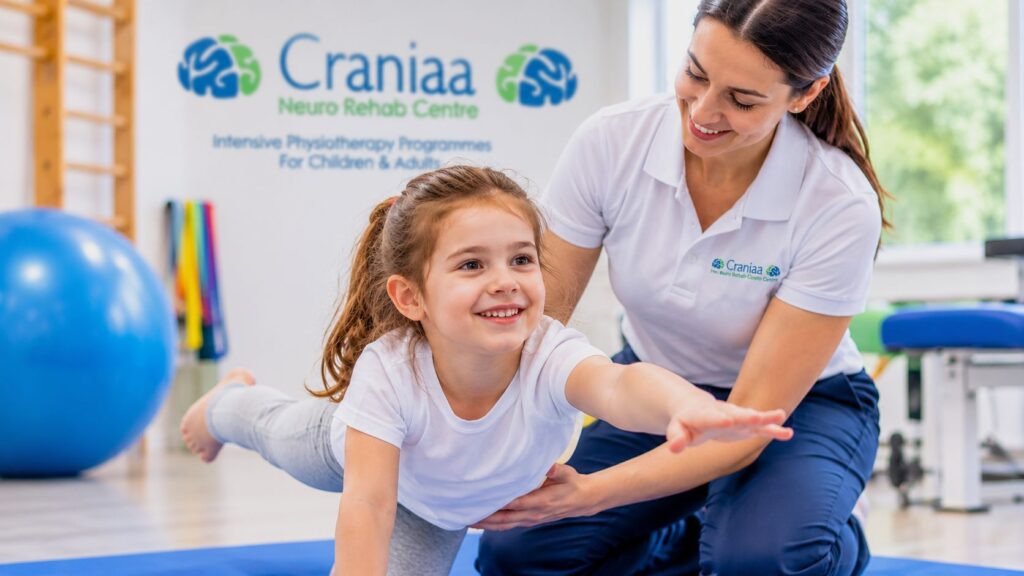
Physiotherapy for genetic disorder can support movement, balance, posture, muscle strength and everyday functional activities.
At Craniaa Neuro Rehab Centre, rehabilitation programmes may include:
- Spider Cage and Universal Exercise Unit (UEU) therapy.
- Functional Electrical Stimulation (FES), where clinically appropriate.
- Individualised strengthening and movement exercises.
- Balance, posture and gait training.
- Progress monitoring and personalised rehabilitation goals.
For families researching genetic disorders in Ireland, choosing an appropriate rehabilitation service means considering the individual’s diagnosis, abilities and treatment goals. Physiotherapy is supportive care, not a cure for the underlying genetic condition.
Why Choose Craniaa Neuro Rehab Centre?
Craniaa Neuro Rehab Centre offers neurological rehabilitation services for children and adults in Camlough and Belfast. The centre uses tailored physiotherapy techniques, rehabilitation equipment and facilities for people with genetic and neurological disorders.
The centre’s rehabilitation programmes concentrate on enhancing functional mobility and participation in daily activities. The treatment eligibility is determined based on individual needs.
Conclusion: Find the Right Support for Genetic Disorders
Living with genetic disorders is no easy feat, but with proper healthcare and rehabilitation, one can make life more manageable.
If you are researching genetic disorders in Ireland and need specialised rehabilitation assistance, do not hesitate to get in touch with us at Craniaa Neuro Rehab Centre.
Take the first step towards personalised rehabilitation and better everyday movement.
Frequently Asked Questions
The main types include single-gene disorders, chromosomal disorders and multifactorial conditions. Each category develops through different genetic mechanisms and can affect individuals differently.
Some genetic disorders cannot be cured, but medical management, supportive therapies and personalised rehabilitation can help manage symptoms and improve everyday functioning.
Early signs may include delayed developmental milestones, muscle weakness, difficulty walking, poor coordination and learning difficulties. Symptoms depend on the specific genetic condition.
Diagnosis may involve medical history, family history, physical examinations and genetic testing. A specialist can recommend appropriate investigations based on individual symptoms and clinical findings.
Yes. Individualised physiotherapy can support muscle strength, posture, balance, coordination and mobility, helping children develop functional skills according to their abilities and rehabilitation goals.